Many of us put on a helmet or fasten a seat belt only when we spot a traffic police officer ahead. In reality, these two things aren’t for the police. They’re for your family.
Helmets and Seat Belts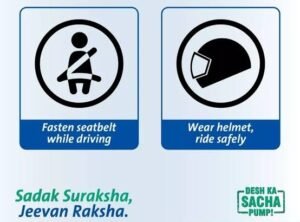
Choosing the right helmet:
- Look for the ISI mark. A certified helmet has been tested for impact resistance. A cheap, uncertified one is little better than a plastic bowl.
- Get the right fit. The helmet should sit snugly, without wobbling or pressing painfully on your forehead.
- Replace it after a serious fall. The protective foam inside can be damaged even if the outside looks fine.
- Check the visor. A scratched or tinted visor reduces visibility, especially at night.
The Strap Is Part of the Helmet
One of the most common mistakes we see is a helmet worn without fastening the chin strap. In an accident, an unbuckled helmet can fly off before it does its job. Wearing it unfastened is almost the same as not wearing it at all.
Why a helmet matters: For two-wheeler riders, head injuries are the most likely to be fatal. A good quality ISI-marked helmet greatly reduces the risk of serious head injury. Fastening the chin strap matters just as much, otherwise the helmet will simply come off in a crash.
Why a seat belt matters: In sudden braking or a collision, a seat belt keeps you from hitting the steering wheel or windshield. It’s just as important for passengers in the back seat.
Remember:
- The pillion rider should wear a helmet too
- Use properly sized safety restraints for children
- Make buckling up a habit before you start the engine
At Next Wheel, we teach safety habits from day one, because a good driver is one who arrives safely.
Leave a Reply